
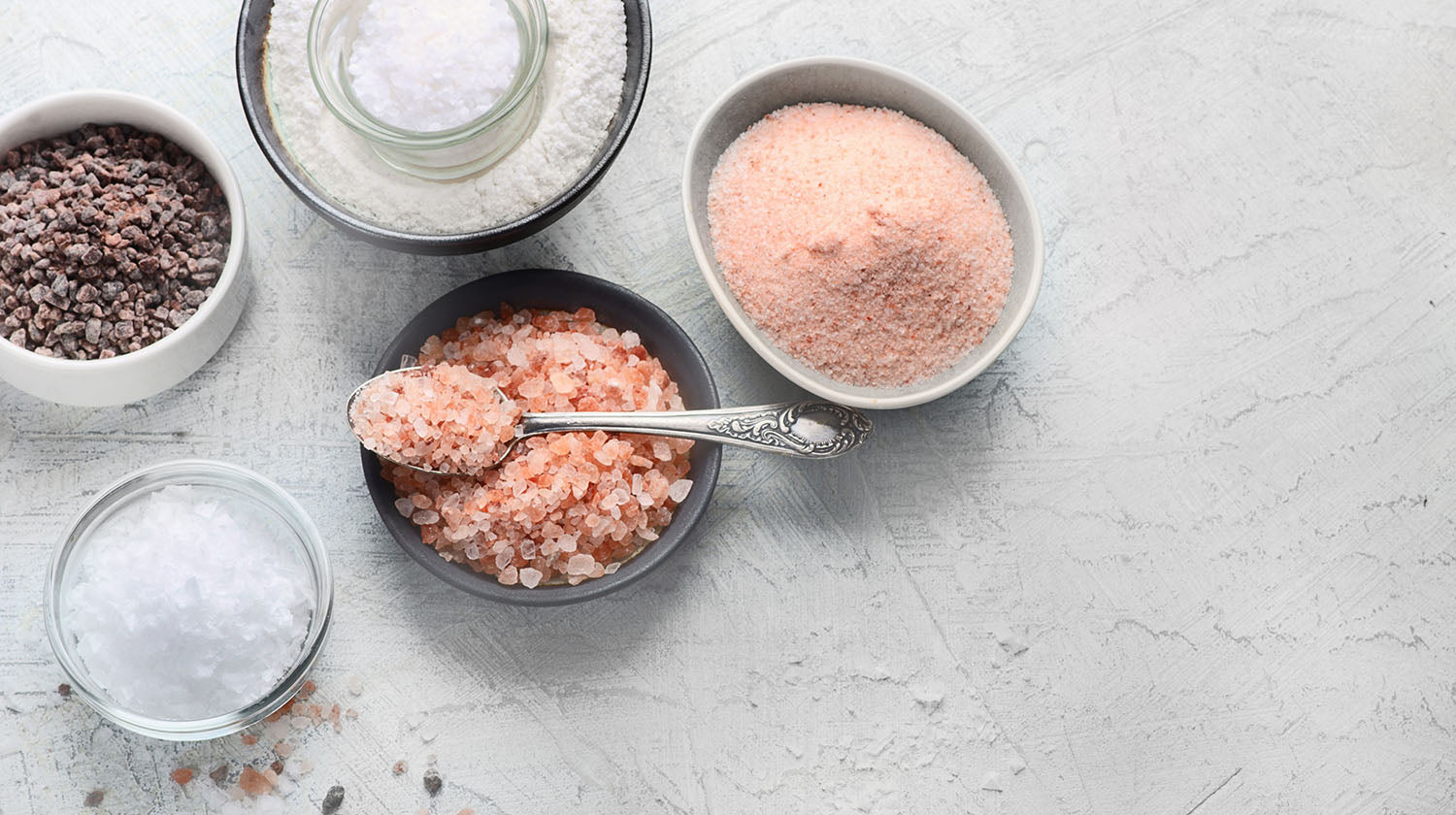
If you’re on a quest for the healthiest salt, you’re probably wondering which is best: Celtic salt vs. Himalayan pink vs. table salt.
Some experts claim all salt is the same, too much of any salt is unhealthy, and buying gourmet varieties is a waste of money.
Still others tout the benefits of “healthy salts” like Celtic and Himalayan pink, claiming you can eat more of these without issues.
So, who’s right? That’s what we’re uncovering in this Country Life Vitamins blog, including salt origins, nutrient profiles, health benefits, taste comparisons, environmental footprint, and alternatives.
Celtic Salt vs. Himalayan vs. Table Salt: Is all Salt the Same?
When researching the healthiest salt, it helps to know what you’re looking for—in other words, is all salt the same?
Although all salt is made primarily of sodium and chloride, different varieties come from various sources.
For example:
- Sea salt and Kosher salt are evaporated from seawater or salt water lakes
- Table salt is mined from underground salt deposits
- Iodized salt is typically table salt fortified with iodine to support thyroid function
- Celtic salt comes from seabeds in coastal France
- Himalayan Pink salt comes from salt caves in Pakistan
The biggest differences among the salts are their origins, mineral composition, texture (fine, coarse, or flaky), and how they are processed.
Most table salt, for example, contains additives and anti-caking agents, making it a more processed product.
Himalayan, sea salt, and Celtic salt do not typically contain additives, contain more minerals like magnesium and potassium, and are more minimally processed, earning them their prominent “healthy salt” reputation.[1-3]
However, any form of sodium in excess can negatively affect cardiovascular health, particularly in people with high blood pressure. Therefore, even “healthy salt” can be unhealthy if overused.[4]
Celtic Salt vs. Himalayan vs. Table Salt: Which is the Healthiest?
Millions of people spend more money on Celtic salt and Himalayan salt because they believe it’s healthier and more nutritious than table salt.
This is true if you look at it purely from a nutrient-density perspective.
Research has shown that Celtic salt and Himalayan pink salt contain more minerals/electrolytes, including magnesium and potassium, than table salt.[1-3]
This may be why some people swear by a pinch of Celtic or Himalayan salt in their water daily to help them stay hydrated, recover from exercise, have more energy, and ward off certain health complaints, such as headaches.
Although there is minimal non-anecdotal research to support these claims, we do know magnesium and potassium support various aspects of health, including hydration, muscle function, and energy production.[5-8]
So, Which is Healthiest, Celtic salt or Himalayan salt?
Although both salts contain more minerals than table salt, some studies suggest Celtic salt may have more minerals than Himalayan pink salt, depending on origin.[1][2]
However, Himalayan pink salt contains traces of iron, along with other minerals, including magnesium and potassium.[1][2][3]
And although evidence about the efficacy of added iodine in table salt for preventing iodine deficiency disorders is mixed, we also can’t ignore the potential benefits of iodized salt for people who would otherwise not consume adequate iodine.[9]
Overall, it appears Celtic salt may be slightly more nutritious than Himalayan pink salt, but the mineral amounts are variable and negligible. Celtic salt and Himalayan pink salt both contain more minerals than table salt.
Ultimately, your best source of minerals is a varied, whole foods diet with plenty of plant-based foods.
The Health Benefits of Celtic Salt & Pink Salt
The primary benefits of Celtic salt and Pink salt come from their mineral contents, including sodium, potassium, and magnesium.
These minerals serve many functions, including:[10][11]
- Acting as electrolytes to support hydration and fluid balance
- Activating enzymes
- Supporting blood cell function
- Supporting nervous system function
- Providing structural support
Let’s break this down a little more.
Sodium
Sodium is often vilified as something to be limited and feared. Yet, it is an essential nutrient for healthy function when consumed in moderate amounts.
For example, sodium plays a role in:[12-14]
- Fluid and electrolyte balance
- Hydration
- Muscle function
- Kidney function
- Cardiovascular function
New research also suggests there is limited evidence that limiting sodium intake will prevent heart disease, and that 3-5 grams (3000-5000 mg) is likely safe for most people, except for those with high blood pressure, who benefit from limiting sodium intake.[12]
Most Americans eat around 3300 mg of sodium per day.
This is far more than the current American Heart Association recommendation of 2300 mg per day, so check with your doctor for individual recommendations.[4]
The bottom line is that sodium, like all essential minerals, is vital for good health and generally only becomes problematic when consumed in excess and/or in people with certain conditions.
Magnesium
This mineral is involved in over 300 enzyme reactions throughout the body and plays an essential role in:[5-7]
- Sleep
- Stress response
- Electrolyte balance
- Hydration
- Bone density
- Muscle function
- A healthy pregnancy
- Nervous system function
- Reproductive function
- Hormonal function
- Cardiovascular function
- Digestion
- Gut health
Related reading: Magnesium Glycinate vs. Citrate: Which Form Is Best?
Potassium
Potassium is abundant in fruits and vegetables and has a synergistic relationship with sodium to support hydration and normal blood pressure. It also plays a role in:[8]
- Muscular function
- Fluid and electrolyte balance
- Nervous system function
- Normal heartbeat and cardiovascular function
- Kidney function
Like sodium, one can consume too much potassium, especially if you have kidney issues, so a balanced diet is key.
What About Purity?
Recent research suggests sea salt and table salt may be contaminated with microplastics and heavy metals, leading people to switch to other varities.[15]
However, independent and other published studies suggest Celtic salt and Himalayan salt are not immune to these problems either.[16]
Ultimately, no salt is likely to be 100% pure from all contaminants, because microplastics and heavy metals are ubiquitous in the environment.
Heavy metals are different in that they exist naturally in the soil, the earth’s crust, and the oceans, as well as in unnatural environmental pollutants that wind up in these places.
Fortunately, most people use relatively little salt compared to other ingredients, which can help mitigate the risk.
Several gourmet salt companies are now offering greater transparency and should be willing to accommodate your requests.
Comparing Taste: Himalayan Pink vs. Celtic salt
Himalayan pink salt and Celtic salt both have more flavor than table salt, thanks to their higher mineral content.
Their textures are also different.
Himalayan pink salt has a more neutral flavor than Celtic salt, but a stronger flavor than table salt.
Its texture depends on the grind and can range from fine, like table salt, to coarse, like Kosher salt or rock salt.
Celtic salt has a more briney seawater-type flavor than pink or table salt, which lends complexity to foods.
Its texture is moist and flakey, allowing it to dissolve rapidly on fresh foods, like tomatoes, or cooked dishes, like soups.
Both salts taste similar to table salt, however, most people find they need less Himalayan pink or Celtic salt than table salt to achieve the same flavor.
This is another reason people favor the flavor and benefits of gourmet salts, less salt equals more flavor.
Environmental Footprint of Celtic Salt Vs. Himalayan Pink Salt
The environmental footprint of Celtic vs. pink salt depends on various factors, including where you live.
Celtic salt is sourced from natural tidal salt ponds in coastal France, where artisans hand-rake and sun-dry the flakes before preparing them for sale.
Himalayan pink salt is mined from mountains in Pakistan, not the Himalayas, using blasting and other typical mining techniques.
Table salt is mined from halite or salt rocks, ancient salt deposits from evaporated bodies of water, in the Earth’s crust in various locations throughout the world.
Since Celtic salt does not require mining, which uses up considerable environmental and human resources, and comes from France versus Pakistan, it has the lowest environmental footprint overall.
Table salt would be a close second, especially if it’s mined using solution mining (using water to dissolve and extract the salt), which is considered less environmentally impactful than other forms of mining, and comes from a more local source, such as the United States or Canada.
Alternative Sources of Minerals Found in Salt
Looking for ways to get enough minerals, like magnesium and potassium, without eating more salt?
First, focus on eating a diverse diet with plenty of fruits and vegetables.
Some of the best sources of magnesium and potassium include:[5][8]
- Avocadoes
- Leafy greens
- Potatoes
- Bananas
- Mangoes
- Dark chocolate
- Whole grains
- Coconuts and coconut water
- Nuts and seeds
You can also supplement with multivitamins/multiminerals or mineral supplements, such as Country Life Vitamins:
- Core Daily-1® for Women Multivitamin
- Core Daily-1® Daily Multivitamin For Men
- Realfood Organics® Prenatal Multivitamin
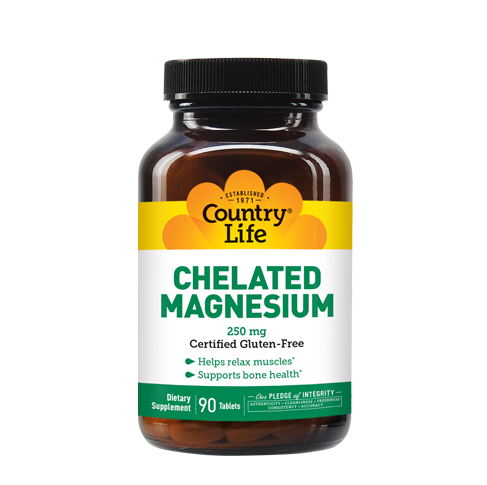
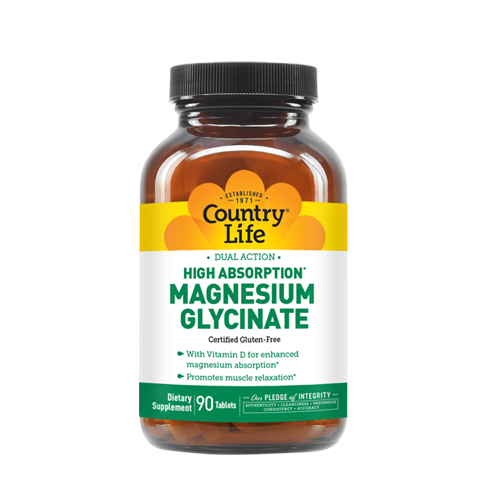
- Chelated Magnesium Glycinate
- Calcium Magnesium Potassium
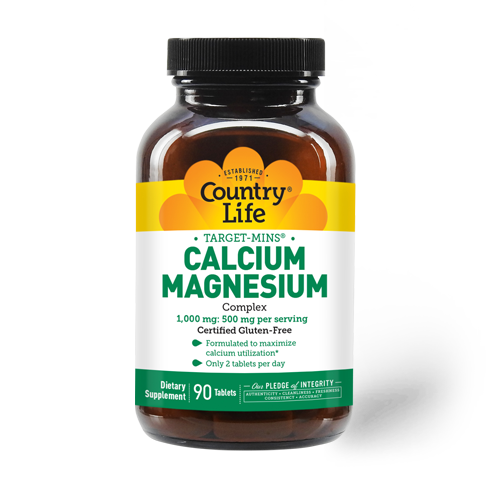
- Target-Mins Calcium Magnesium
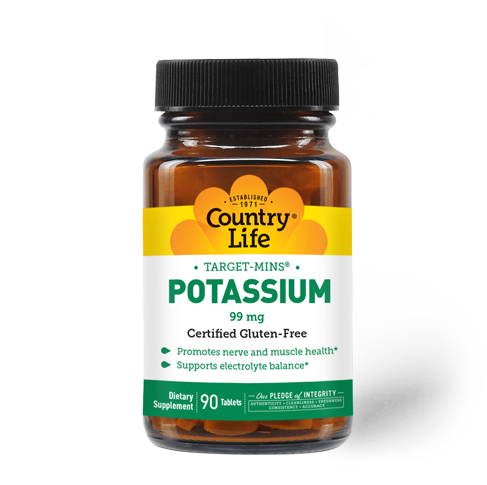
- Potassium 99 mg
Check with your healthcare practitioner for individual mineral recommendations.
References:
- “Which Table Salt to Choose?” Journal of Nutrition & Food Sciences.
- “Gourmet Table Salts: The Mineral Composition Showdown”. Toxics.
- “An Analysis of the Mineral Composition of Pink Salt Available in Australia”. Foods.
- “How Much Sodium Should I Eat Per Day?” The American Heart Association.
- “Magnesium Fact Sheet for Consumers”. National Institutes of Health Office of Dietary Supplements.
- “Magnesium Basics,” Clinical Kidney Journal, Volume 5
- “Magnesium and Man: Implications for Health and Disease”. Physiological Reviews, Volume 96, Issue 1, Pages 1-46
- “Potassium Fact Sheet for Consumers”. National Institutes of Health Office of Dietary Supplements.
- “Iodised salt for preventing iodine deficiency disorders”. Cochrane Database Syst Rev.
- “Minerals and Human Health: From Deficiency to Toxicity”. Nutrients.
- “Micronutrients for Health”. Linus Pauling Institute, Oregon State University.
- “Sodium Intake and Health: What Should We Recommend Based on the Current Evidence?” Nutrients.
- “Lower sodium could reduce blood pressure in most people.” National Institutes of Health.
- “Dietary Sodium and Human Health”. Nutrients.
- “The presence of microplastics in commercial salts from different countries”. Sci Rep.
- “Sea Salt & Himalayan Salt Tested For Heavy Metals Like Lead & Microplastics — Guide”. Mamavation.com











Share:
10 Tips For Cortisol Management & Support
What's The Difference Between Vitamins & Minerals?