

Nutritional gaps, missing nutrients in the diet, are common and can happen to anyone, even people who eat healthfully.
Fortunately, occasional nutrient gaps aren’t a big deal and are easily remedied with healthy eating habits.
However, if you’re consistently lacking essential vitamins and minerals in your diet, this can lead to deficiencies and insufficiencies, resulting in various symptoms and even leading to illness.
This is where committing to a diverse, healthy, whole-foods diet and having your nutrient levels checked annually are critical.
Certain supplements, like multivitamins, can also help fill in nutrient gaps and ensure your body’s getting everything it needs to thrive.
In this article, you’ll learn about common nutritional gaps, who is vulnerable (and why), and how they can be prevented and addressed.
Why Nutritional Gaps Happen (Even in Healthy Eaters)
Nutritional gaps are typically associated with limited access to nutritious food.
Hunger and malnutrition are global issues, even here in the United States, and are a leading cause of nutritional gaps, which can lead to malnutrition.[1]
However, nutrient gaps can also occur in people without food insecurity, even those who eat healthfully.
10 Causes of Nutritional Gaps
How can someone who eats enough calories, or even healthy calories, have nutritional gaps?
It can be complicated and nuanced depending on the individual.
Some of the causes of or risk factors for nutritional gaps include:
1. A Limited Diet or Inadequate Access to Healthy Foods
Obviously, if someone isn’t getting enough calories, they will experience nutrient gaps and eventually malnutrition.
However, nutritional gaps can also occur in those who eat a very limited diet, such as very picky eaters, people with eating or feeding disorders, those who won’t eat certain foods or food groups, such as vegetables, or people on very restrictive diets (which we’ll cover next).[2][3]
2. Restrictive, but Healthy Diets
There are many diets and nutritional philosophies, including those that recommend eliminating food groups or types of nutritious foods.
People often adopt these diets to help with mysterious symptoms or chronic conditions, or to better align with their religious or philosophical beliefs or principles.
Many of these diets can be very helpful and healthful. However, if they’re ultra-restrictive or practiced without consuming a variety of allowed foods, they can lead to nutrient gaps.
For instance, people on a carnivore diet may lack various vitamins and minerals found in fruits, vegetables, and grains, such as vitamin C, magnesium, potassium, and fiber.
Vegans and vegetarians tend to get plenty of fiber, but are more prone to nutritional gaps in iron, vitamin D, calcium, omega-3s, zinc, and vitamin B12.[4]
And those on a very low-carb diet may lack fiber, magnesium, vitamin C, and other nutrients found in fruits and starchy vegetables.
Again, this isn’t to say these types of diets can’t be healthful, beneficial, or nutrient-dense, and most of them are much better than a standard American diet!
However, because everyone’s interpretation and application may vary, they can lead to specific nutritional gaps.
3. Taking GLP-1s
GLP-1s can be game-changing and life-saving for many people dealing with diabetes, metabolic issues, and obesity.
As discussed in A Guide To Vitamins & Supplements While On GLP-1, although research on how GLP-1s may affect nutrient levels is in its infancy, some studies suggest they may cause nutritional gaps, especially among people on very low-calorie diets.[5-7]
Some nutrient gaps that may occur on GLP-1s include protein, fiber, and fat-soluble vitamins A, D, vitamin B12, and K.
4. Chronic Stress
We know chronic stress contributes to and causes a variety of physical, mental, and emotional health issues.
What’s less well known is that it can also affect your nutrient levels by influencing digestion, metabolic function, the gut microbiome, and endocrine function.
Specifically, studies suggest chronic stress can impact magnesium, niacin, iron, calcium, and zinc levels.[8][9]
Related reading: The Role of B-Vitamins in Stress Management Support
5. Gut Health Issues
The gut microbiome plays a pivotal role in the metabolism and absorption of nutrients; therefore, when gut health is suboptimal, nutrient gaps may present even if you’re eating a healthy diet.
Nutritional gaps associated with gut health issues may include B vitamins like vitamin B12, zinc, calcium, vitamin D, and iron.[10][11]
Other digestive health issues, even common and minor ones like heartburn or reflux, can also affect nutrient levels over time.[12]
6. Heavy Periods
Although menstruation is a normal biological function, heavy menstrual bleeding is associated with a higher risk of iron deficiency in women and menstruating people.[13][14]
7. Pregnancy and Lactation
If you’ve ever been pregnant, you’re familiar with the barrage of blood tests recommended to monitor nutrient levels and the blanket recommendation for prenatal multivitamins.
That’s because pregnant women and people require higher levels of nutrients, including iron, folate, iodine, calcium, and vitamin D.[15][16] If these nutrient requirements are not met, it can create nutritional gaps for the mother and possibly the baby.
Lactation also requires greater nutrient intake to nourish the mother and ensure the baby’s nutrient needs are met.[17][18]
8. Genetic Variations
You may have heard about nutritional programs or supplements tailored to genetics.
Although this can mean many things, the main point is that some people are genetically or epigenetically (genes influenced by environment) programmed to process and absorb nutrients and nutrient forms differently than others.
For example, studies suggest that people with the MTFR genetic variation are less able to assimilate non-methylated B vitamins, such as B12 and folate, than those without that variation.[19][20]
Iron status may also be affected by genetics.[21]
9. Medications
Medications can be necessary and life-saving for millions of people.
However, certain medications have been studied for their potential to influence how the body absorbs, utilizes, or maintains certain nutrients. These effects can vary widely depending on the medication, dosage, duration of use, and individual needs.[22][23]
Because individual responses differ, anyone with questions about medications and nutrition should consult a healthcare professional for personalized guidance.
10. Excess Caffeine
While coffee, tea, and other caffeinated beverages are part of many daily routines, research suggests that high caffeine intake may interact with the body’s nutrient balance in different ways.
Individual needs can vary based on lifestyle, diet, and overall habits, which is why moderation and variety are often emphasized.[24][25]
If you eat a healthy diet and don’t drink much caffeine, this may not create nutrient gaps.
However, if you drink two cups of coffee in the morning, a matcha latte mid-afternoon, and take a caffeinated pre-workout powder before your evening workout, and/or already have a predisposition to nutrient gaps, this could tip the scales too far in the wrong direction.
Related reading: 25+ Natural Energy Boosters: Caffeine & Coffee Alternatives
How Supplements Can Help Fill in Nutritional Gaps
A healthy, diverse diet is the first line of defense against nutritional gaps.
This means focusing on whole, unprocessed foods, including fruits, veggies, whole grains, healthy fats, and lean proteins, and avoiding ultra-processed, nutrient-devoid foods.
Once you have your diet dialed in, talk to your healthcare practitioner about whether to add in specific supplements to help fill in nutrient gaps.
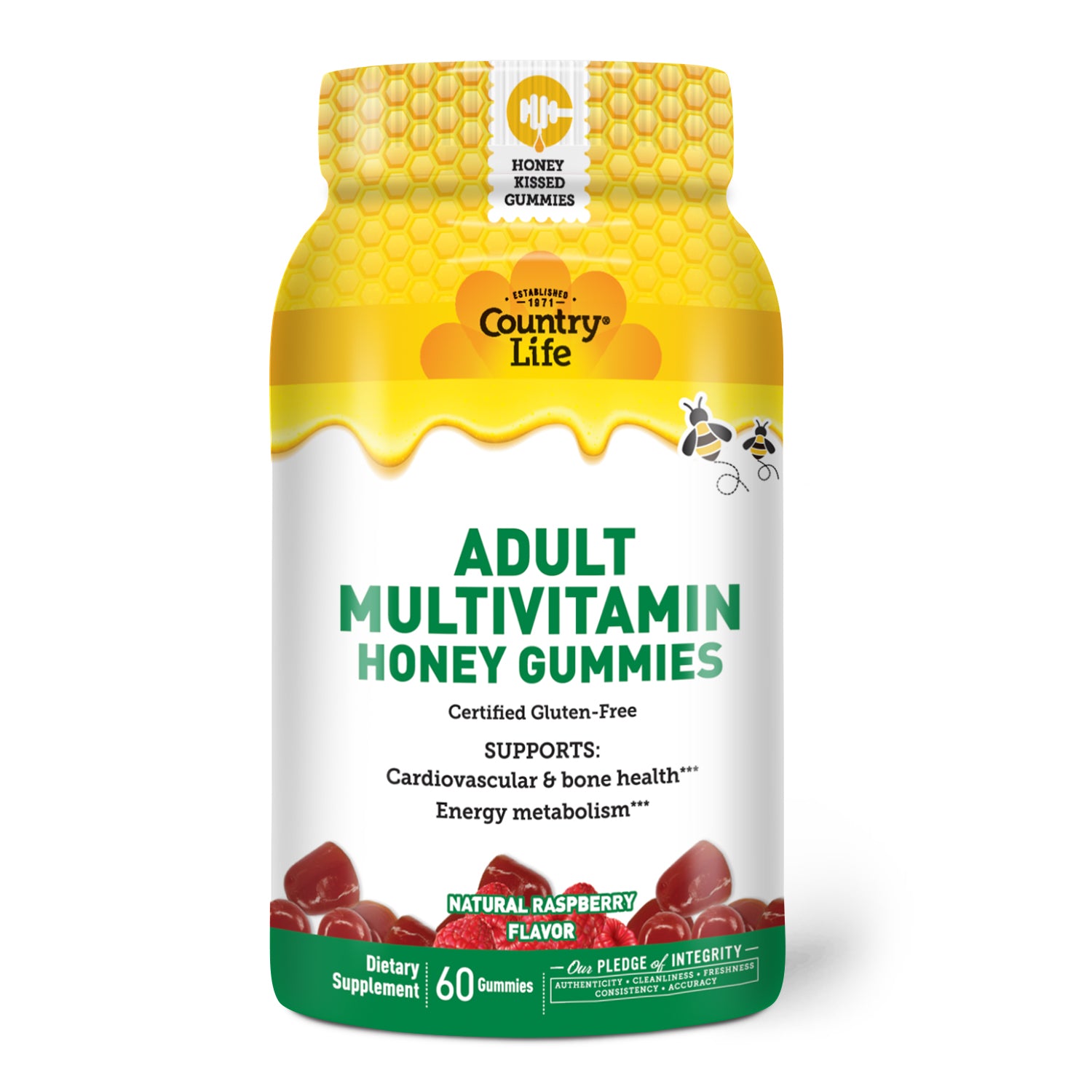
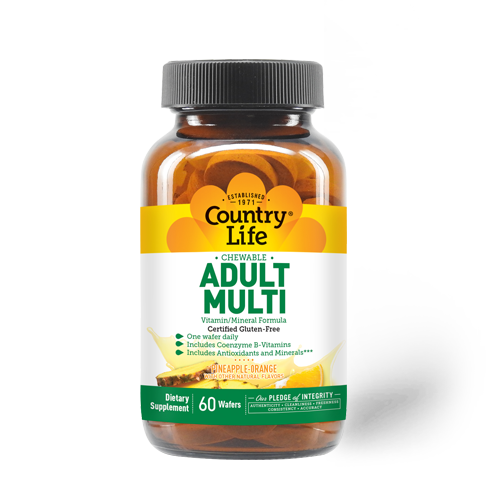
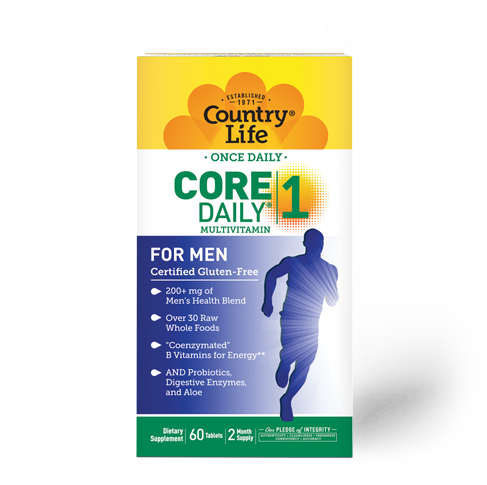
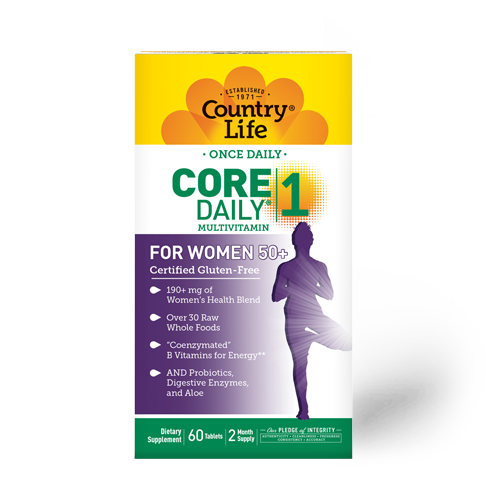
A high-quality multivitamin, for example, is considered sound “nutritional insurance” to cover all your essential vitamins and mineral bases.
Other helpful supplements to address common nutrient gaps may include:
- Calcium/Magnesium
- Vitamin D3, Vegan Vitamin D3, or Vitamin D3/K2
- Chelated magnesium glycinate
- Coenzymated (methylated) B-Complex
- Methyl Vitamin B12
- Zinc
- Iron or Iron + Vitamin C, B12, & Folic Acid
- Fish Oil and Omegas
Because individual needs can vary, anyone with concerns about nutrition or wellness may benefit from speaking with a healthcare professional who can offer personalized insight and recommendations.
When it comes to nutrition and wellness, personalized guidance from a healthcare professional can help individuals make informed decisions based on their unique circumstances.
Where to Find High-Quality Supplements to Fill in Nutrient Gaps
Supplements can help fill in nutrient gaps, but only in their optimal form and dosage.
In other words, not all supplements are created equal.
At Country Life Vitamins, we’ve specialized in providing the highest-quality, bioavailable supplements since 1971 based on the latest nutritional research.
All our supplements, from multivitamins to omega-3s, are manufactured in an NSF gluten-free certified and certified organic facility that’s third-party certified GMP compliant, proving we go above and beyond FDA standards for supplement manufacturing.
We’re also a certified B Corp, so we care about our people and the planet.
If we sound like your kind of supplement company, then shop our full line of Country Life Vitamins supplements to help fill in nutrient gaps and power your greatness!
References Mentioned in This Article
- “Global food nutrients analysis reveals alarming gaps and daunting challenges”. Nature Food.
- “Nutrient intake and dietary patterns in children 2.5-5 years of age with picky eating behaviours and low weight-for-height”. Asia Pac J Clin Nutr.
- “Dietary intake and risk of nutrient inadequacy among children with pediatric feeding disorders”. J Pediatr Gastroenterol Nutr.
- “Nutrient Intake and Status in Adults Consuming Plant-Based Diets Compared to Meat-Eaters: A Systematic Review”. Nutrients.
- “Mapping the effectiveness and risks of GLP-1 receptor agonists”. Nature Medicine.
- “Gastrointestinal adverse events associated with semaglutide: A pharmacovigilance study based on FDA adverse event reporting system”. Frontiers in Public Health.
- “Dietary intake by patients taking GLP-1 and dual GIP/GLP-1 receptor agonists: A narrative review and discussion of research needs”. Obesity Pillars.
- “Magnesium Status and Stress: The Vicious Circle Concept Revisited”. Nutrients.
- “The Effects of Psychological and Environmental Stress on Micronutrient Concentrations in the Body: A Review of the Evidence”. Advances in Nutrition.
- “Gut Biome-Mediated Barriers to Nutrient Absorption: Investigating the Impact of Dysbiosis”. Microbiology Research.
- “Causal Links Between Gut Microbiota and Vitamin Deficiencies: Evidence from Mendelian Randomization Analysis”. CURR MED SCI.
- “Diet and Nutrients in Gastrointestinal Chronic Diseases”. Nutrients.
- “The relationship between heavy menstrual bleeding, iron deficiency, and iron deficiency anemia”. Am J Obstet Gynecol.
- “Iron Deficiency and Anemia in Menstruating Adolescents”. American Academy of Pediatrics.
- “Micronutrient supplementation in pregnancy: Who, what and how much?” Obstetric Medicine.
- “Micro-nutrient sufficiency in mothers and babies: Management of deficiencies while avoiding overload during pregnancy”. Frontiers in Nutrition.
- “Breastfeeding Mothers and Impact of Diet and Dietary Supplementation: A Narrative Review”. Nutrients.
- “Nutritional Status of Breastfeeding Mothers and Impact of Diet and Dietary Supplementation: A Narrative Review”. Nutrients.
- “MTHFR polymorphisms and vitamin B12 deficiency: correlation between mthfr polymorphisms and clinical and laboratory findings”. Ann Hematol.
- “Folate Insufficiency Due to MTHFR Deficiency Is Bypassed by 5-Methyltetrahydrofolate”. J Clin Med.
- “Ethnic Differences in Iron Status”. Advances in Nutrition.
- “Evidence of Drug–Nutrient Interactions with Chronic Use of Commonly Prescribed Medications: An Update”. Pharmaceutics.
- “Drug-Nutrient Interactions. Linus Pauling Institute Micronutrient Information Center”. Oregon State University.
- “Effects of caffeine on health and nutrition: A Review”. Wolde, Tsedeke. (2014).
- “Higher intakes of dietary caffeine are associated with 25-hydroxyvitamin D deficiency”. Int J Vitam Nutr Res.










Share:
Vegan Vitamin D: What’s It Made From & Does It Work?