

Chillier temperatures, indoor gatherings, holiday stress, dry skin, and less sunlight are all excellent reasons to adjust your vitamin regimen for winter.
Here, you’ll learn about seven of the best vitamins for winter to support energy, immune function, and optimal nutrient levels while also buffering stress.
Why Adjust Your Vitamins For Winter?
As seasons bring noticeable changes to the natural world around us, they can also affect our health and nutritional needs.
For example:
- Less sunlight in winter can lead to lower vitamin D levels, a nutrient essential for bone density, immune function, hormonal health, and emotional well-being.[1]
- We may not eat as many fresh fruits and vegetables during the cold-weather months, such as antioxidant-rich berries and citrus, which may lower our intake of essential vitamins, like vitamin C, and antioxidants that support our immune system.
- Holiday stress can also affect nutrient levels, like B vitamins, magnesium, zinc, iron, and calcium.[2]
Focusing on nutrient-dense foods, managing stress, getting natural sunlight, and adding in specific supplements can help counteract these effects and keep our bodies strong and healthy.
Best Vitamins to Take During the Winter
Even if you’re aware of shifting seasonal nutritional needs, it can be overwhelming to figure out which vitamins you should add to your supplement routine.
So, if you’re asking, “What vitamins should I take in the winter?”, skip the rabbit hole of research and check out the vitamins below.
1. Vitamin D
Also known as “the sunshine vitamin”, vitamin D helps maintain strong bones, supports immune, hormonal, and cognitive function, supports skin health, cardiovascular function, and longevity.[3-6]
Unfortunately, vitamin D deficiency and insufficiency are common year-round, but especially in the wintertime when we all get less sunlight.[7]
The good news is that most doctors offer vitamin D testing at your annual checkup or upon request and can recommend individualized supplementation.
Why supplement?
Unlike other nutrients, the primary natural source of vitamin D is the sun, so it’s hard to get enough from foods alone when sunshine is scarce.
At-a-Glance: Benefits of Vitamin D Supplementation for Winter[3-6]
- Immune support
- Bone support
- Skin support
- Hormonal support
- Energy
- Cognitive support
As discussed in Do Vitamin D and Omega-3 Have Anti-Aging Benefits?, vitamin D3 combined with fish oil may also support longevity and help prevent premature aging.
How Much do you Need?
This depends widely on the individual’s vitamin D status, which is why testing is recommended.
The current recommended daily vitamin D allowance for adults under 70 is 600 IU, and for adults over 70, 800 IU.[8]
Check with your healthcare practitioner for individual recommendations.
What is the best Vitamin D Supplement for Winter?
Vitamin D3 is considered the most absorbable form of vitamin D compared to vitamin D2.
Some healthcare practitioners also recommend combining vitamin D3 with K2 to ensure optimal calcium transport to the bones.
Country Life offers several vitamin D3 supplements, including:
- Vitamin D3, 1,000 IU
- Vitamin D3, 2,500 IU (from a sustainable non-fish liver source)
- Vitamin D3, 5,000 IU
- Vitamin D3, 10,000 IU
- Vitamin D3 Gummies
- Vegan D3 + K2
- Vegan D3 Softgels (from lichen)
- Vegan Vitamin D3 Spray (from lichen)
Related reading: Is It a Vitamin D Deficiency? Learn The Signs & Symptoms Here
2. Vitamin C
Vitamin C is a vitamin and an antioxidant critical to supporting immune function, skin health, cellular function, cardiovascular function, energy production, and more.[9]
Unlike vitamin D, vitamin C is found in various fruits and vegetables, including citrus, berries, broccoli, kiwis, bell peppers, strawberries, and even white potatoes.
Why Supplement?
It is possible to get enough vitamin C from foods.
However, if you find yourself eating less fresh fruits and veggies in the winter, especially citrus or berries, a supplement can help ensure you’re getting enough.
At-a-Glance: Benefits of Vitamin C Supplementation for Winter
- Immune support
- Skin support
- Antioxidant support
- Energy
- Eye support
- Cellular support
- Cardiovascular function
- Enhances iron absorption
How Much Vitamin C do you Need?
The current recommended daily allowance of vitamin C for adults is 75 mg for women, 85 mg during pregnancy, 110 mg during lactation, and 90 mg for men.[8]
Many healthcare practitioners recommend taking more during the winter months, especially if you’re not feeling your best.
Vitamin C is a water-soluble vitamin, so it’s hard to take too much. However, some people may experience digestive stress, such as reflux, loose stools, or diarrhea, from taking mega-doses.
Buffered vitamin C, which includes calcium to lower acidity, may help counteract these effects.
Check with your healthcare practitioner for individual recommendations.
What is the Best Vitamin C Supplement for Winter?
Vitamin C supplements are widely available, with ascorbic acid being the most popular and highly bioavailable.
Some vitamin C supplements also contain natural bioflavonoids, like those found in fruits and vegetables, to support the absorption of vitamin C from natural sources, such as acerola or citrus.
Country Life Vitamins offers a variety of vitamin C supplements, including:
3. Digestive Enzymes
Digestive enzymes offer gentle, natural digestive support for holiday feasting and richer winter comfort foods.
Why Supplement?
Our bodies naturally produce digestive enzymes to break down fats, proteins, carbohydrates, and fiber whenever we eat.
Digestive enzyme supplements can offer support when you’re eating more than usual (think holiday feasts), combine many different types of foods, eat a lot of protein or fat in one sitting, or indulge in a food you may be sensitive to, such as dairy.
At-a-Glance: Benefits of Digestive Enzymes
- Easier digestion
- Relief from occasional digestive upset, such as reflux or indigestion
- Elimination support
- Improved digestive function
- Less gas and bloating
What is the Best Digestive Enzyme Supplement for Winter?
There are many types of digestive enzymes to choose from, including:
- Chewable Papaya Enzymes: For multifaceted digestive support.
- Full-Spectrum Maxi-Zyme®: A proprietary, plant-derived blend of 8 different enzymes to provide digestive support in a wider pH range than traditional animal-derived enzymes to help digest protein, fat, and carbohydrates
- Triple-Strength Bromelain: A proteolytic digestive enzyme derived from pineapple stems that aids in breaking down and digesting proteins.
- Betaine Hydrochloride: Provides a natural source of hydrochloric acid, along with digestive enzymes Pepsin and Papain, for additional digestive support.
Related reading: What are Digestive Enzymes and How Can They Support Your Digestion?
4. Zinc
Zinc is an essential mineral and antioxidant that plays a key role in supporting the immune system, as well as hundreds of bodily functions and reactions related to the skin, nervous system, brain, cardiovascular system, gut, metabolism, and more.
Why Supplement?
Although zinc is found in various foods, many people don’t get enough from their diet alone, especially if they don’t eat animal-based foods.
Zinc levels are also impacted by stress, certain medications, and illnesses, which can necessitate the need for more zinc-rich foods and/or supplementation.
At-a-Glance: Benefits of Zinc for Winter[11-15]
- Immune support
- Gut health support
- Skin support
- Nervous system and stress support
- Metabolic support
- Cognitive support
- Reproductive support
How Much Zinc do you Need?
The recommended daily allowance of zinc is 9 mg for women and 11 mg for men.[11]
Some healthcare practitioners recommend more for temporary immune support, so check with yours for individual recommendations.
What is the Best Zinc Supplement for Winter?
Chelated forms of zinc (zinc bound to an amino acid), such as zinc amino acid chelate, zinc picolinate, zinc citrate, and zinc picolinate, are believed to have higher bioavailability than non-chelated forms.
Country Life Vitamins offers several zinc supplements, including:
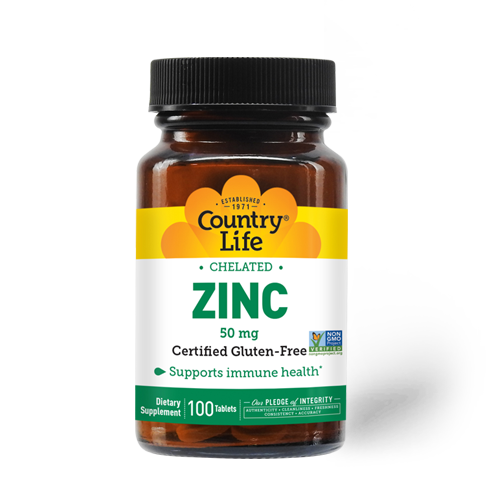
- Chelated Zinc 50 mg
- Zinc Picolinate with vitamin C
- Zinc Lozenges in Cherry flavor
- TargetMins Zinc 50 mg
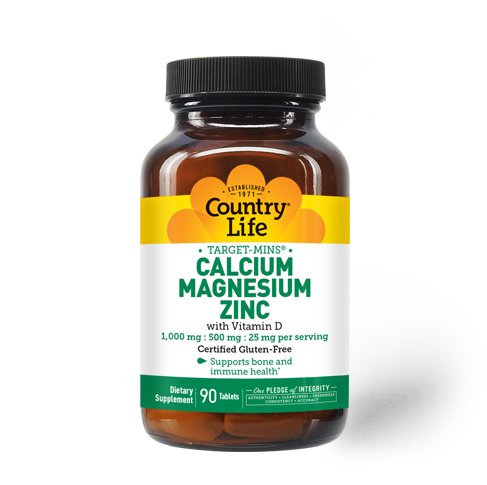
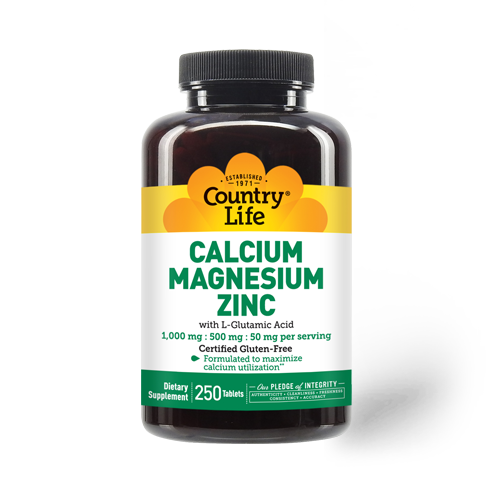
- Calcium Magnesium Zinc
Related reading: 10+ Benefits Of Zinc For Immunity, Skin, Hormonal Health, & More
5. Probiotics
Probiotics are helpful for various winter-specific health goals, including supporting immune function, gut health, and digestion.
Why Supplement?
Probiotics are widely available in cultured foods such as yogurt, kimchi, kefir, cultured vegetables, and kombucha.
Probiotic supplements offer a convenient way to get a specific amount and strain of probiotic cultures for targeted support.
At-a-Glance: Benefits of Probiotics for Winter[16-18]
- Immune support
- Gut health support
- Stress and emotional support (via the gut-brain axis)
- Digestive support
How Much Probiotics do you Need?
There is no recommended daily allowance for probiotics.
However, most experts recommend taking a supplement containing at least a billion CFUs (colony-forming units) for best results.
It’s also wise to include prebiotics alongside your probiotics, either in the supplement or through your diet.
Prebiotics are a type of fiber that feed probiotics and can be found in onions, leeks, garlic, mushrooms, bananas, wheat germ, Jerusalem artichokes, and other sources of fiber, like psyllium.
What is the Best Probiotic Supplement for Winter?
The best probiotic supplement for winter contains probiotic strains known to support immune, digestive, and gut health function, such as Lactobacillus rhamnosus, Lactobacillus acidophilus, and Bifidobacterium species, with at least 1 billion CFUs, or more, per serving, like Country Life Vitamins Dairy-Free Probiotic Power-Dophilus®.
Shop Country Life Probiotics here.
6. Arctic Kelp
Vitamin D and C are well-known for their immune-support benefits, but iodine, found in sea vegetables like arctic kelp, is often overlooked.
Iodine is an essential mineral found abundantly in sea vegetables that supports immune, cognitive, and thyroid function, as well as various aspects of health.[19]
Why Supplement?
Most Americans don’t consume many iodine-rich foods, which is where supplementation can help.
Arctic kelp also contains other immune-support nutrients, including vitamin A, zinc, B-vitamins, and choline, as well as antioxidant alginates and fucoxanthin, active plant compounds that support skin health, gut health, and inflammatory response.
At-a-Glance: Benefits of Arctic Kelp for Winter[20-25]
- Immune support
- Skin support
- Thyroid support
- Metabolic support
- Gut health support
How Much Arctic Kelp do you Need?
There is no recommended daily allowance for arctic kelp, but the RDA for iodine is 150 mg for adults.[19]
Check the supplement label for iodine concentration and ask your healthcare practitioner for individual recommendations.
*Note: Iodine supplementation is contraindicated with certain conditions, such as some thyroid issues, so always check with your doctor before beginning supplementation.
What is the Best Arctic Kelp Supplement for Winter?
Country Life Vitamins offers Arctic Kelp sourced wild from pristine Arctic waters, with 225 mcg of iodine (150% of the daily value) per serving.
Related reading: Sea Moss Alternatives: How Does Arctic Kelp Compare?
7. Skin Hydration Support Supplements With Hyaluronic Acid
If the winter gives you ultra-dry skin, the kind that buckets of lotion don’t solve, a skin hydration support supplement with Hyaluronic Acid can make all the difference.
Country Life Vitamins’ newest product, Maxi-Hair® with Hyaluronic Acid + Biotin Gummy, supplies 120 mg of vegan hyaluronic acid to enhance skin hydration and elasticity, plus biotin for keratin formation support, and skin- and immune-loving vitamin A.[26-30]
Just two certified gluten-free gummies a day, taken over a period of weeks, will help boost skin hydration and hair and nail health.
Learn all about it in: Try Our New Hydrating Gummy: MAXI-HAIR® Skin & Nails with Hyaluronic Acid + Biotin
Shop Maxi-Hair® with Hyaluronic Acid + Biotin Gummy.
Shop Country Life Vitamins for quality vitamins for immunity, gut health, skin health, and stress to support your whole health this winter.
References:
- “Sunlight in Vitamin D Deficiency: Clinical Implications”. The Journal for Nurse Practitioners
- “The Effects of Psychological and Environmental Stress on Micronutrient Concentrations in the Body: A Review of the Evidence”. Advances in Nutrition.
- “Vitamin D as a Shield against Aging”. International Journal of Molecular Sciences.
- “Individual and additive effects of vitamin D, omega-3 and exercise on DNA methylation clocks of biological aging in older adults from the DO-HEALTH trial”. Nature Aging.
- “Vitamin D: An Evidence-Based Review”. The Journal of the American Board of Family Medicine.
- Cardiovascular benefits of vitamin D. Sheng Li Xue Bao. 2014 Feb 25;66(1):30-6. PMID: 24553867.
- “Vitamin D deficiency 2.0: An update on the current status worldwide”. European Journal of Clinical Nutrition.
- “Vitamin D Fact Sheet for Health Professionals”. National Institutes of Health.
- “Dietary Guidelines for Americans”, 2020-2025. 9th Edition. U.S. Department of Agriculture and U.S. Department of Health and Human Services.
- “Vitamin C Fact Sheet for Health Professionals”. National Institutes of Health.
- “Zinc Fact Sheet for Health Professionals.” NIH Office Of Dietary Supplements.
- “Zinc and its importance for human health: An integrative review”. J Res Med Sci.
- “Multifunctional role of zinc in human health: An update”. EXCLI Journal
- “Zinc therapy in dermatology: a review”. Dermatol Res Pract.
- “Zinc Deficiency and Heart Failure: A Systematic Review of the Current Literature”. J Card Fail.
- “Thirty Years of Lactobacillus rhamnosus GG: A Review”. J Clin Gastroenterol.
- “Health-Promoting Effects of Lactobacillus acidophilus and Its Technological Applications in Fermented Food Products and Beverages”. Fermentation.
- “The gut core microbial species Bifidobacterium longum: Colonization, mechanisms, and health benefits”. Microbiological Research.
- “Iodine Fact Sheet for Health Professionals”. National Institutes of Health.
- “An Overview to the Health Benefits of Seaweeds Consumption”. Mar Drugs.
- “Chemical composition and moisture-absorption/retention ability of polysaccharides extracted from five algae”. International Journal of Biological Macromolecules.
- “Seaweeds as Preventive Agents for Cardiovascular Diseases: From Nutrients to Functional Foods”. Marine Drugs.
- “Fucoxanthin, a marine carotenoid present in brown seaweeds and diatoms: metabolism and bioactivities relevant to human health”. Mar Drugs.
- “Beneficial Effects of Marine Algal Compounds in Cosmeceuticals”. Marine Drugs.
- “Photoaging and Potential Skin Health Benefits of Seaweeds”. Marine Drugs.
- “Benefits of topical hyaluronic acid for skin quality and signs of skin aging: From literature review to clinical evidence”. Dermatologic Therapy.
- “Hyaluronic acid, a promising skin rejuvenating biomedicine: A review of recent updates and pre-clinical and clinical investigations on cosmetic and nutricosmetic effects”. Int J Biol Macromol.
- “Oral administration of hyaluronic acid to improve skin conditions via a randomized double‐blind clinical test”. Skin Research and Technology.
- “Oral Hyaluronan Relieves Wrinkles and Improves Dry Skin: A 12-Week Double-Blinded, Placebo-Controlled Study”. Nutrients.
- “Supplementation with a New Hyaluronic Acid Matrix Ingredient Improves Skin Brightness, Hydration, Smoothness, and Roughness: Results from a Randomized, Double-Blinded, Placebo-Controlled Study”. Dermatol Ther (Heidelb).









Share:
8 Tips To Manage Overeating During the Holidays
10 Tips For Cortisol Management & Support